
Kosa Silk Saree


Kosa Silk Sarees at Swades Creations
Swades Creations offers Silkmark Certified Kosa silk sarees, handwoven in Chhattisgarh using traditional techniques passed down through generations of weaver communities. Kosa silk is a variety of tussar silk produced from the cocoons of the Antheraea mylitta silkworm, which grows in natural forest habitats. It is known for its matte texture, naturally golden hue, earthy sheen and exceptional durability, which is why Kosa sarees are considered lifetime investment pieces rather than occasion-only wear.
Every Kosa silk saree in this collection carries Silkmark certification, the Government of India-backed assurance of genuine pure silk.
What Makes Kosa Silk Different
Kosa is the Chhattisgarhi name for tussar silk, and the region around Champa in Chhattisgarh is India's best-known Kosa weaving belt. Unlike mulberry silk, which is smooth and glossy, Kosa has a textured, matte surface with a warm golden undertone that deepens gracefully over time. Because the silkworm feeds on forest trees such as arjun and saja rather than cultivated mulberry, the fibre is naturally stronger and coarser, giving Kosa its distinctive raw character.
Three qualities define Kosa silk:
- Natural golden colour: The fibre itself carries a honey-gold tint, so even undyed Kosa has visible warmth and depth.
- Strength and longevity: Kosa is among the most durable silks. It withstands regular wear, softens with use and ages gracefully instead of wearing out.
- Breathable comfort: The open, textured weave makes Kosa more comfortable in warm weather than dense mulberry silks.
Colours and Designs in Our Kosa Collection
Our palette works with, not against, Kosa's natural golden base: warm ochres, burnt oranges, sophisticated neutrals and deep jewel tones. Designs range from minimalist bodies with temple borders to elaborate motifs drawn from flora and folklore. The balance of rustic texture and refined design makes these sarees work equally well for traditional and contemporary styling.
When to Wear a Kosa Silk Saree
- Weddings and festivals: Deep jewel tones and temple border designs hold their own in formal celebrations.
- Office and formal daywear: Neutral and ochre Kosa sarees read as understated luxury.
- Everyday elegance: Kosa's durability means it does not need to wait in the cupboard for special occasions.
How to Style Kosa Silk
For a classic look, pair the saree with a contrast blouse and temple jewellery. For a modern edit, try a sleeveless blouse or a cropped jacket in metallic or earthy tones. Kosa's matte richness pairs especially well with semi-precious stone jewellery; Swades Creations' handcrafted stone neckpieces are designed to complement this collection.
Caring for Your Kosa Silk Saree
- Dry clean only.
- Store wrapped in breathable muslin cloth, not plastic.
- Iron on low heat from the reverse side.
- Keep away from prolonged direct sunlight to protect the natural colour.
Frequently Asked Questions about Kosa Silk Sarees
What is Kosa silk?
Kosa silk is a variety of tussar silk from Chhattisgarh, produced from the cocoons of the Antheraea mylitta silkworm that grows in forest habitats. It is known for its matte texture, natural golden hue and exceptional strength, and is traditionally handwoven by weaver communities in and around Champa.
Is Kosa silk the same as tussar silk?
Yes, Kosa is the regional name for tussar silk in Chhattisgarh. All Kosa is tussar, but Kosa from the Champa belt of Chhattisgarh is considered among the finest tussar in India, prized for its superior texture and natural golden sheen.
How is Kosa silk different from mulberry silk?
Mulberry silk is smooth, uniform and glossy, while Kosa silk has a textured, matte surface with a natural golden undertone. Kosa is also stronger and more breathable because the silkworm feeds on forest trees rather than cultivated mulberry leaves. Mulberry suits high-shine occasion wear; Kosa suits earthy, understated luxury.
How can I tell if a Kosa silk saree is genuine?
Look for Silkmark certification, the Government of India-backed label that guarantees pure silk. Genuine Kosa also has a naturally uneven, slubbed texture, a warm golden undertone and a dry, matte feel. Every Kosa silk saree at Swades Creations is Silkmark Certified.
Is Kosa silk good for weddings?
Yes. Kosa silk sarees in deep jewel tones with temple borders or traditional motifs are excellent for weddings and festive events. They offer a rich, distinctive look with more comfort and durability than delicate mulberry silks, especially for long ceremonies.
Does Kosa silk soften over time?
Yes. Kosa silk becomes noticeably softer with every wear while keeping its signature texture and strength. This is one reason Kosa sarees are treated as long-term wardrobe investments that improve with age rather than wear out.
How do I care for a Kosa silk saree?
Dry clean only. Store the saree wrapped in breathable muslin rather than plastic, iron on low heat from the reverse side, and avoid prolonged direct sunlight. Refold the saree every few months to prevent permanent crease lines.
Why are Kosa silk sarees expensive?
Kosa silk is produced in limited quantities because the silkworm is raised in natural forest habitats rather than farms, and each saree is handwoven over days or weeks by skilled artisans. The rarity of the fibre, the labour-intensive weaving and Silkmark-certified purity together determine the price.
Testimonials
Excellent Collection. Promoting Indian hand woven art to urban people. Wide variety from across India.
We visited swades at Bhatia Wadi exhibition, loved the collection of dress material and sarees, fantastic colour and weaving, very Classy. We bought a dress material. Will come back for more
Swades creations have a lot of beautiful collection of sarees and I am very pleased with the quality of the sarees. All the sarees are beautiful and elegant. Parul is a wonderful person. I bought multiple sarees from her, I loved all of them. She personally tracks the parcel after being dispatched, and makes sure I receive the parcel. I would highly recommend Swades Creations.
Excellent customer service and a wide variety of handloom sarees!!
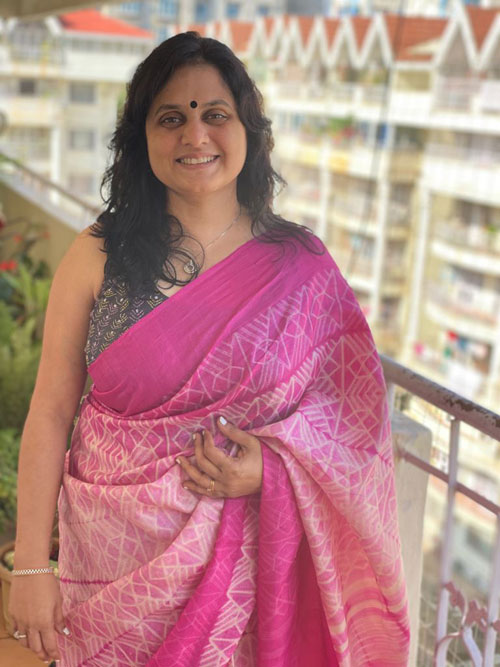
Seeing my Mom & MIL wear Tussars, I always felt Tussar was for 60 plus and that I had a long way to go, but this particular saree made me change my mind. When Parul shared the picture with me casually, I liked the colour and the print as it was very unusual but never thought I would get it for myself. I then went on and bought it for my MIL. However when I received it, tables reversed, my MIL gifted it to me for my birthday and I was thankful she did! As I wore it on my special day “Wolah!!! I fell in love with it even more and with myself:) all over again!!!”. The icing on the cake was the blouse that Parul handpicked and in my opinion it truly added to the oomph!!!! Thank you Parul for this amazing ensemble. May Swades Creations have more such creations that we can mindlessly invest in and treasure for life :)
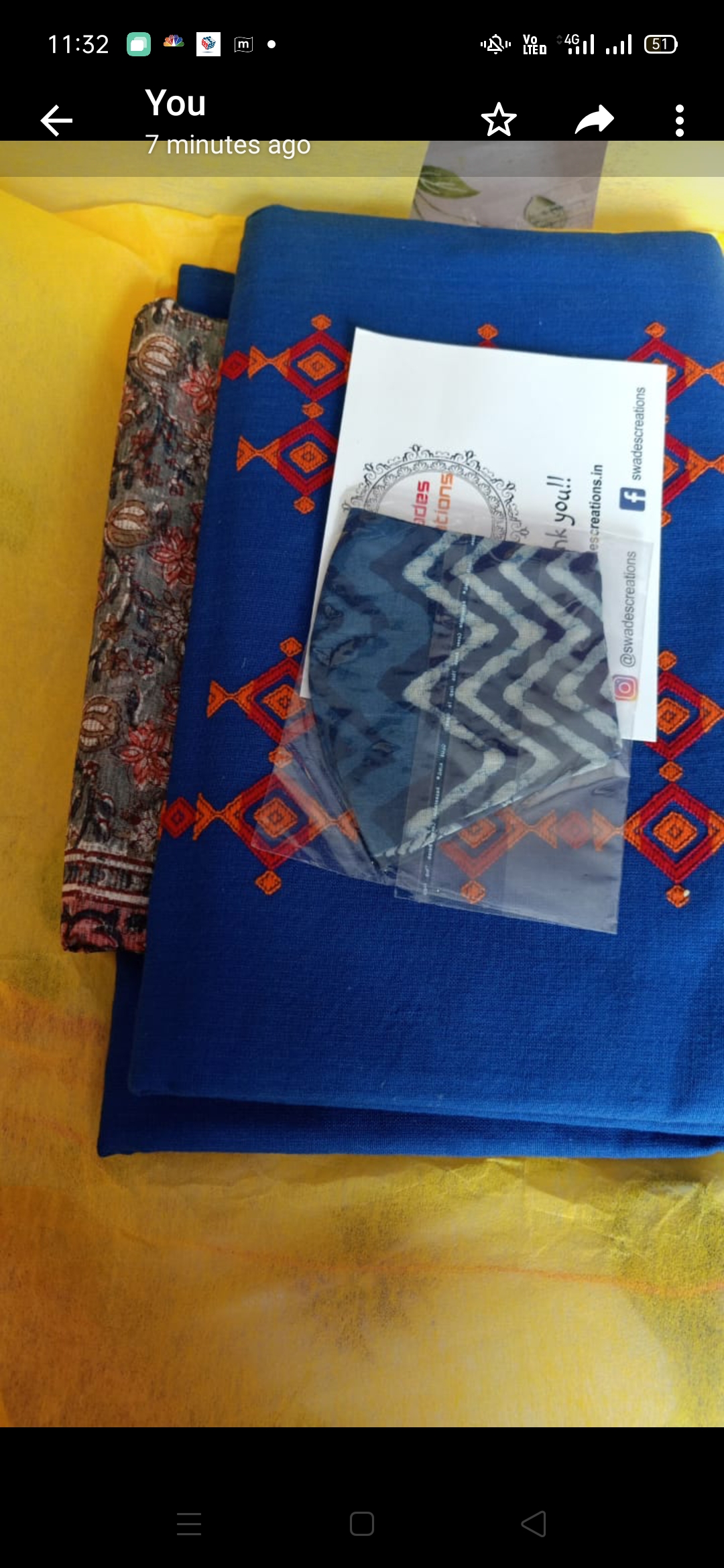
Just received this beautiful kurta dupatta set. It was exquisite, exactly of my taste. What amazed me was the wonderful and elegant packaging. Quite impressive...keep it up. Highly recommend. Thank you for the service
Ordered two sarees. Awesome collections.Quick delivery
I am a patron of Swadesh creations. Each piece is handpicked and delectable. A must try for the first time shoppers - sarees, suits , stoles .. You name it and you get the best here. Thank you Parul for such an amazing collection. Cheers to our friendship of 15 plus years.
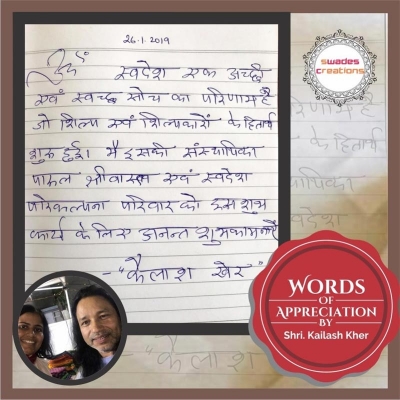
ॐ स्वदेश एक अच्छी एवं स्वच्छ सोच का परिणाम हैं | जो शिल्प एवं शिल्पकारों के हितार्थ शुरू हुई | मै इसकी संस्थापिका पारुल श्रीवास्तव एवं स्वदेश परिकल्पना परिवार को इस शुभ कार्य के लिए अनंत शुभ-कामनाऐ |
Excellent stuff…lovely collection…loved each style.