
Raw Silk Saree


Raw Silk Sarees at Swades Creations
Swades Creations offers Silkmark Certified raw silk sarees handwoven by artisan clusters across India's silk weaving regions, including Assam, Karnataka and West Bengal. Raw silk is pure silk woven from partially processed yarns, which gives the fabric its signature nubby texture, matte finish and structured body. These sarees balance rustic charm with regal elegance, working for everyday luxury as well as festive and formal occasions.
Raw silk is real silk in its most natural form. The yarn is spun from short silk fibres taken from the cocoon before complete refinement, so the fabric keeps a slightly grainy, crisp texture instead of the smooth gloss of fully processed mulberry silk. The weave carries minor irregularities that mark it as handmade, and the fabric holds structure beautifully, giving pleats and drapes a defined, flattering silhouette.
How Raw Silk Sarees Are Made
Raw silk sarees are woven on handlooms and traditional pit looms using partially degummed silk yarns. Because the natural sericin is not fully removed, the yarn retains body and a matte sheen. Depending on the region and artisan tradition, the sarees are finished with woven zari borders, delicate embroidery or hand-painted motifs.
Regional Character
- Assam: Plain weaves and understated borders that let the silk's texture lead.
- Karnataka: Richer versions with zari and temple motifs, drawing on South Indian silk traditions.
- West Bengal: Artistic borders and geometric patterns in the Bengal handloom idiom.
Motifs and Colours
Common motifs include floral vines, temple borders, paisleys and stylised leaves, each carrying traditional symbolism: florals for beauty and grace, temple patterns for auspiciousness. The raw texture gives motifs a bold outline and tactile presence even in minimal designs.
The colour palette leans into raw silk's natural depth: deep maroons, mustard yellows, olive greens, ink blues and understated golds and beiges. The fabric's texture makes colours appear richer and more grounded than they do on smooth, glossy silks.
When to Wear a Raw Silk Saree
- Festive occasions and weddings: Deep maroons and zari-bordered raw silk hold their own at celebrations.
- Formal daywear and office events: Earthy solids and minimal borders read as understated luxury.
- Pleated and pre-stitched drapes: Raw silk's structure makes it the best silk for sharp, sculpted silhouettes.
- Gifting and collecting: Silkmark certification and handloom character give each piece heirloom value.
How to Identify Authentic Raw Silk
Pure raw silk has a grainy, slubbed texture, a soft matte sheen, and noticeably more body and weight than synthetic look-alikes. It is less slippery than blended fabrics, and the weave shows small handmade irregularities. The most reliable check is Silkmark certification, and every raw silk saree at Swades Creations carries it.
Styling Your Raw Silk Saree
For daytime, pair with a hand-embroidered collared blouse or a silk crop jacket. For festive evenings, a velvet or brocade blouse with flared sleeves adds drama. Because raw silk holds structure, it takes especially well to pleated drapes, pre-stitched silhouettes, a kamarbandh at the waist or a statement belt. Finish with Swades Creations' handcrafted semi-precious stone neckpieces in contrasting or complementary hues, a sleek clutch, and soft curls or a neat bun.
Caring for Your Raw Silk Saree
- Dry clean only.
- Store wrapped in muslin, away from moisture and direct sunlight.
- Iron on low heat from the reverse side.
- Refold every few months to prevent set creases.
Frequently Asked Questions about Raw Silk Sarees
What is a raw silk saree?
A raw silk saree is woven from pure silk yarns that are only partially processed, so the natural sericin gives the fabric a nubby texture, matte sheen and structured body. It is real silk in its most natural form, handwoven on traditional looms, and is prized for its rustic yet elegant character.
Is raw silk real silk?
Yes. Raw silk is 100 percent natural silk. The difference from regular silk is processing: raw silk yarns are not fully degummed or refined, which leaves a slightly coarse, grainy texture instead of a smooth, glossy surface. Silkmark certification confirms the purity of genuine raw silk.
What is the difference between raw silk and pure mulberry silk sarees?
Both are pure silk. Mulberry silk is fully processed, making it smooth, soft and glossy, while raw silk is partially processed, making it textured, matte and more structured. Mulberry silk drapes fluidly; raw silk holds shape, which makes it better for defined pleats and sculpted looks.
Is raw silk the same as tussar silk?
No. Raw silk refers to how the yarn is processed, while tussar refers to the silkworm species. Tussar is a wild silk with a natural golden tone, whereas raw silk is usually made from partially refined mulberry silk fibres. Both share a textured, matte character, which is why they are often compared.
Is a raw silk saree good for weddings?
Yes. Raw silk sarees in deep maroons, jewel tones and zari-bordered designs are a popular wedding and festive choice. The fabric's structured fall photographs beautifully and holds pleats through long ceremonies better than softer, more fluid silks.
Does raw silk drape well?
Raw silk drapes with structure rather than fluidity. It creates defined pleats and a sculpted silhouette that flatters most body types, which is why it is the preferred silk for pleated drapes and pre-stitched saree styles. If you want a soft, flowing fall, choose mulberry or Chiniya silk instead.
How can I tell if a raw silk saree is genuine?
Genuine raw silk feels grainy and slubbed, has a soft matte sheen, holds structure, and is heavier and less slippery than synthetic imitations. Small irregularities in the weave indicate handloom work. The most reliable assurance is Silkmark certification, which every Swades Creations raw silk saree carries.
How do I care for a raw silk saree?
Dry clean only. Store the saree wrapped in breathable muslin away from moisture and sunlight, iron on low heat from the reverse side, and refold it every few months so creases do not set. With this care, raw silk's strength makes it one of the longest-lasting saree fabrics.
Testimonials
Excellent Collection. Promoting Indian hand woven art to urban people. Wide variety from across India.
We visited swades at Bhatia Wadi exhibition, loved the collection of dress material and sarees, fantastic colour and weaving, very Classy. We bought a dress material. Will come back for more
Swades creations have a lot of beautiful collection of sarees and I am very pleased with the quality of the sarees. All the sarees are beautiful and elegant. Parul is a wonderful person. I bought multiple sarees from her, I loved all of them. She personally tracks the parcel after being dispatched, and makes sure I receive the parcel. I would highly recommend Swades Creations.
Excellent customer service and a wide variety of handloom sarees!!
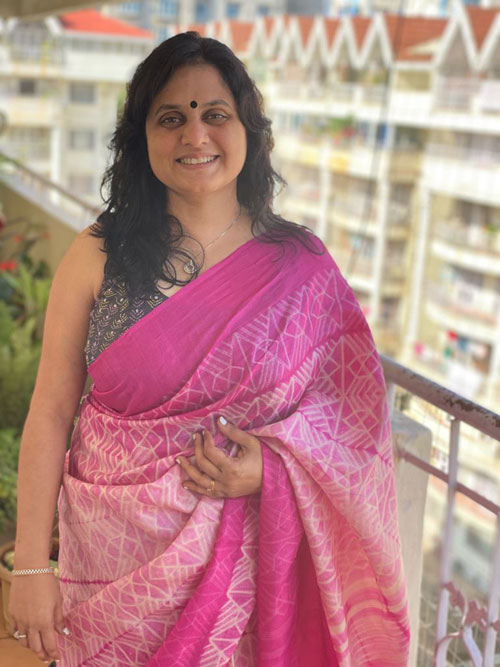
Seeing my Mom & MIL wear Tussars, I always felt Tussar was for 60 plus and that I had a long way to go, but this particular saree made me change my mind. When Parul shared the picture with me casually, I liked the colour and the print as it was very unusual but never thought I would get it for myself. I then went on and bought it for my MIL. However when I received it, tables reversed, my MIL gifted it to me for my birthday and I was thankful she did! As I wore it on my special day “Wolah!!! I fell in love with it even more and with myself:) all over again!!!”. The icing on the cake was the blouse that Parul handpicked and in my opinion it truly added to the oomph!!!! Thank you Parul for this amazing ensemble. May Swades Creations have more such creations that we can mindlessly invest in and treasure for life :)
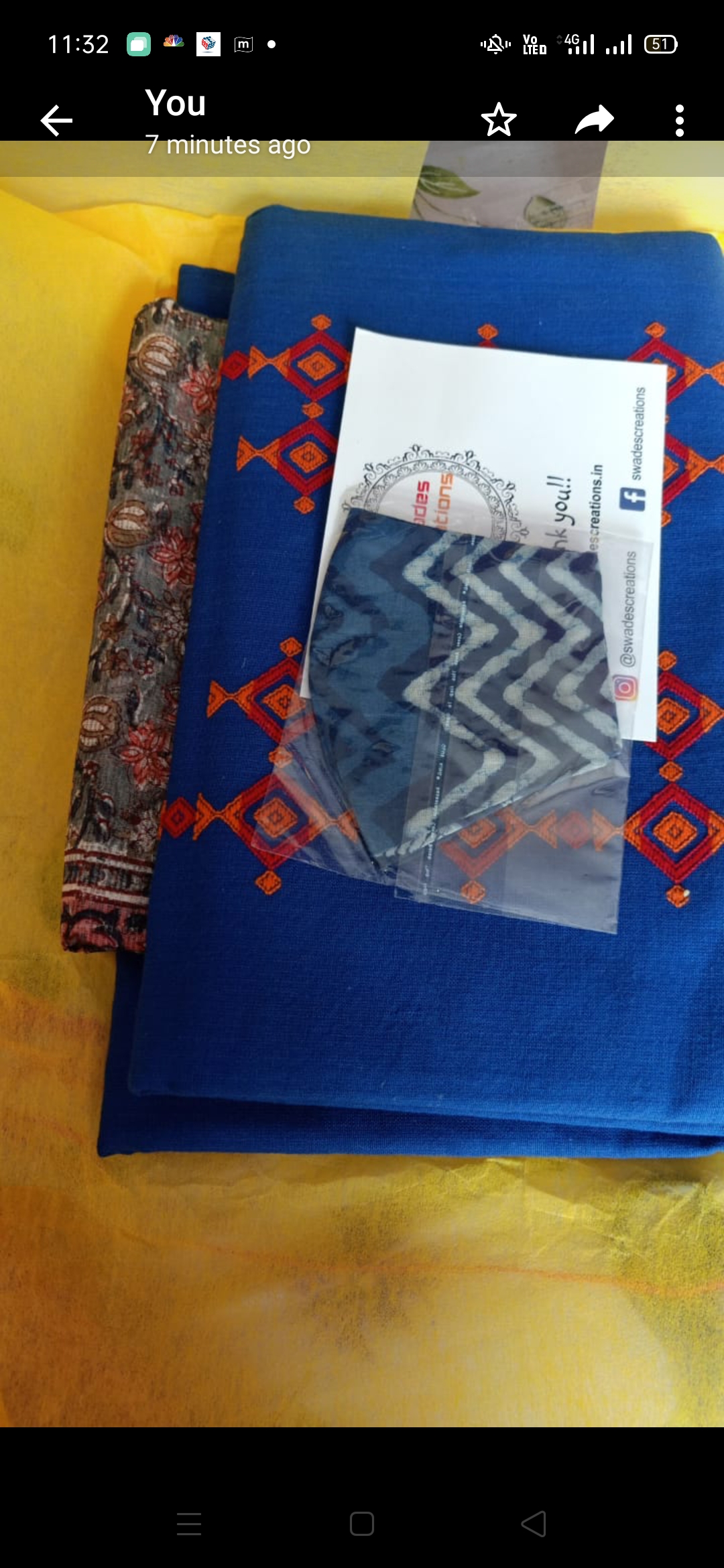
Just received this beautiful kurta dupatta set. It was exquisite, exactly of my taste. What amazed me was the wonderful and elegant packaging. Quite impressive...keep it up. Highly recommend. Thank you for the service
Ordered two sarees. Awesome collections.Quick delivery
I am a patron of Swadesh creations. Each piece is handpicked and delectable. A must try for the first time shoppers - sarees, suits , stoles .. You name it and you get the best here. Thank you Parul for such an amazing collection. Cheers to our friendship of 15 plus years.
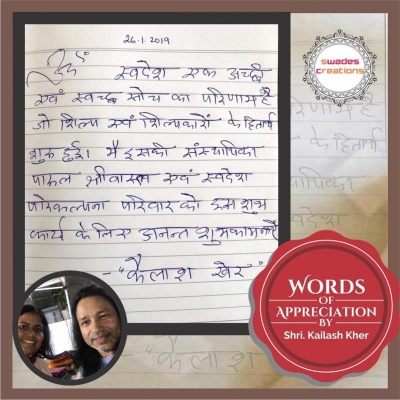
ॐ स्वदेश एक अच्छी एवं स्वच्छ सोच का परिणाम हैं | जो शिल्प एवं शिल्पकारों के हितार्थ शुरू हुई | मै इसकी संस्थापिका पारुल श्रीवास्तव एवं स्वदेश परिकल्पना परिवार को इस शुभ कार्य के लिए अनंत शुभ-कामनाऐ |
Excellent stuff…lovely collection…loved each style.