
Banarasi Silk Saree


Banarasi Silk Sarees at Swades Creations
Swades Creations offers Silkmark Certified Banarasi silk sarees handwoven in Varanasi and its surrounding weaving villages. The collection spans four Banarasi weaves: Katan silk, Kora (pure organza), Chiniya silk and Khaddi georgette, with designs ranging from delicate jaal patterns to kadwa buti work, zari borders, meenakari detailing and contrast pallus. Banarasi sarees are the classic choice for Indian weddings, festivals and formal occasions, and each saree here takes weeks to months on the handloom.
A Banarasi saree is a silk saree handwoven in Varanasi (Banaras), known for its fine gold and silver zari brocade and motifs inspired by Mughal architecture, flora and temple art. Banarasi sarees hold a Geographical Indication (GI) tag, which means authentic Banarasi can only come from Varanasi and specified surrounding districts.
The Heritage Behind the Weave
Banarasi weaving flourished under Mughal patronage, when the fabric was crafted for royalty and the court elite. The same techniques continue today through generations of weaver families in Varanasi. The defining elements have not changed: lustrous silk yarns, intricate brocade woven with real or tested zari, and dense motif vocabularies such as butis, jaal (net-like all-over patterns), bel (creeping vines) and jhallar (fringed border patterns).
Banarasi Weaves in Our Collection
1. Katan Silk Banarasi
Katan is pure silk made by twisting silk filaments together, giving the fabric fine texture, strength and a rich, lustrous surface. Katan Banarasi sarees are the most traditional and durable of the family, the classic pick for bridal and wedding wear.
2. Kora Banarasi (Pure Organza)
Kora is a sheer, crisp organza woven with zari work. It feels light and airy while still reading as regal, which makes it ideal for long wedding events, receptions and summer festivities where heavy silk would be uncomfortable.
3. Chiniya Silk Banarasi
Chiniya silk has a soft, natural sheen and a fluid drape. These sarees sit between everyday luxury and festive wear, comfortable enough for long functions while keeping the Banarasi character.
4. Khaddi Georgette Banarasi
Khaddi georgette combines the lightness and subtle shimmer of georgette with handwoven Banarasi motifs. This is the most contemporary weave in the collection, popular with younger buyers who want Banarasi tradition in a modern, easy-to-drape fabric.
Design Vocabulary: Jaal, Kadwa and Meenakari
- Jaal: A continuous, net-like pattern that covers the body of the saree in interconnected motifs.
- Kadwa buti: A technique where each motif is woven individually on the loom rather than as a continuous weft. Kadwa takes far longer but produces raised, durable motifs with no cut threads on the reverse.
- Meenakari: Coloured resham threads woven into the zari motifs, adding enamel-like detailing inspired by jewellery work.
Choosing a Banarasi Saree by Occasion
- Bridal wear: Katan silk in regal reds and deep jewel tones with heavy zari and kadwa work.
- Wedding guest and reception wear: Kora organza or Khaddi georgette for rich looks with lighter weight.
- Festivals: Chiniya silk or lighter Katan weaves in festive colours.
- Formal evenings: Soft pastels and modern neutrals with subtle zari borders.
Styling a Banarasi Silk Saree
Balance is everything with a heavy weave. Pair a rich Banarasi with minimal jewellery, a single statement choker or bold studs. For blouses, a deep V-neck or structured corset blouse in velvet or raw silk works beautifully; a cropped jacket or waist belt adds modern definition. A sleek bun with fresh flowers or soft waves tucked behind one ear keeps attention on the pallu and neckline. Swades Creations' hand embroidered Kamdani and Zardozi silk slings complete the look with matching opulence.
Caring for Your Banarasi Saree
- Dry clean only.
- Store wrapped in muslin, refolding every few months to protect the zari from crease damage.
- Keep away from moisture and direct sunlight to prevent zari tarnish and colour fade.
Why Buy Banarasi Sarees from Swades Creations
- Silkmark Certified pure silk across the collection.
- Handwoven in Varanasi's GI-protected weaving belt by generational weaver families.
- Four weave options spanning bridal Katan to contemporary Khaddi georgette.
- Ships across India and internationally from Mumbai.
Frequently Asked Questions about Banarasi Silk Sarees
What is a Banarasi silk saree?
A Banarasi silk saree is a handwoven silk saree from Varanasi (Banaras), known for its gold and silver zari brocade and motifs inspired by Mughal architecture, flora and temple art. Banarasi sarees carry a Geographical Indication (GI) tag, and each one takes weeks to months to weave.
How can I identify a genuine Banarasi saree?
Check for Silkmark certification for pure silk and look at the reverse side: genuine handwoven Banarasi shows floating threads and slight irregularities between motifs, while powerloom copies look uniform. Authentic Banarasi also carries the GI tag protection, meaning it is woven only in Varanasi and specified surrounding districts.
Which Banarasi saree is best for a bride?
Katan silk Banarasi is the classic bridal choice because of its strength, rich lustre and ability to hold heavy zari and kadwa work. Regal reds, maroons and deep jewel tones with gold zari remain the most popular bridal combinations.
What is Katan silk?
Katan is pure silk yarn created by twisting silk filaments together, producing a fabric that is fine, strong and lustrous. Katan Banarasi sarees are the most traditional and durable Banarasi weave, which is why they are preferred for bridal and heirloom sarees.
What is the difference between kadwa and cutwork Banarasi?
In kadwa weaving, each motif is woven individually on the loom, leaving no loose threads on the reverse and producing raised, durable motifs. In cutwork, motifs are woven with a continuous weft and the extra threads between motifs are cut afterwards. Kadwa takes much longer and is considered superior.
Are Banarasi sarees heavy to wear?
Traditional Katan Banarasi with dense zari can be heavy, but the family includes light options. Kora organza and Khaddi georgette Banarasi sarees offer the same handwoven brocade character at a fraction of the weight, making them comfortable for long events.
Why are Banarasi sarees expensive?
Banarasi sarees are handwoven over weeks to months, use pure silk yarns and real or tested zari, and involve intricate techniques such as kadwa and meenakari. The labour, materials and GI-protected craftsmanship together determine the price, and well-kept Banarasi sarees hold value as heirlooms.
How do I care for a Banarasi silk saree?
Dry clean only. Store the saree wrapped in muslin cloth away from moisture and direct sunlight, and refold it every few months so creases do not damage the zari. With proper care, a Banarasi saree lasts generations.
Testimonials
Excellent Collection. Promoting Indian hand woven art to urban people. Wide variety from across India.
We visited swades at Bhatia Wadi exhibition, loved the collection of dress material and sarees, fantastic colour and weaving, very Classy. We bought a dress material. Will come back for more
Swades creations have a lot of beautiful collection of sarees and I am very pleased with the quality of the sarees. All the sarees are beautiful and elegant. Parul is a wonderful person. I bought multiple sarees from her, I loved all of them. She personally tracks the parcel after being dispatched, and makes sure I receive the parcel. I would highly recommend Swades Creations.
Excellent customer service and a wide variety of handloom sarees!!
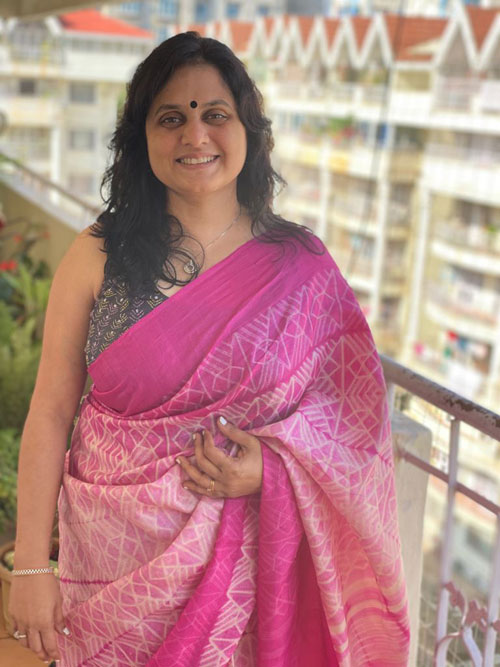
Seeing my Mom & MIL wear Tussars, I always felt Tussar was for 60 plus and that I had a long way to go, but this particular saree made me change my mind. When Parul shared the picture with me casually, I liked the colour and the print as it was very unusual but never thought I would get it for myself. I then went on and bought it for my MIL. However when I received it, tables reversed, my MIL gifted it to me for my birthday and I was thankful she did! As I wore it on my special day “Wolah!!! I fell in love with it even more and with myself:) all over again!!!”. The icing on the cake was the blouse that Parul handpicked and in my opinion it truly added to the oomph!!!! Thank you Parul for this amazing ensemble. May Swades Creations have more such creations that we can mindlessly invest in and treasure for life :)
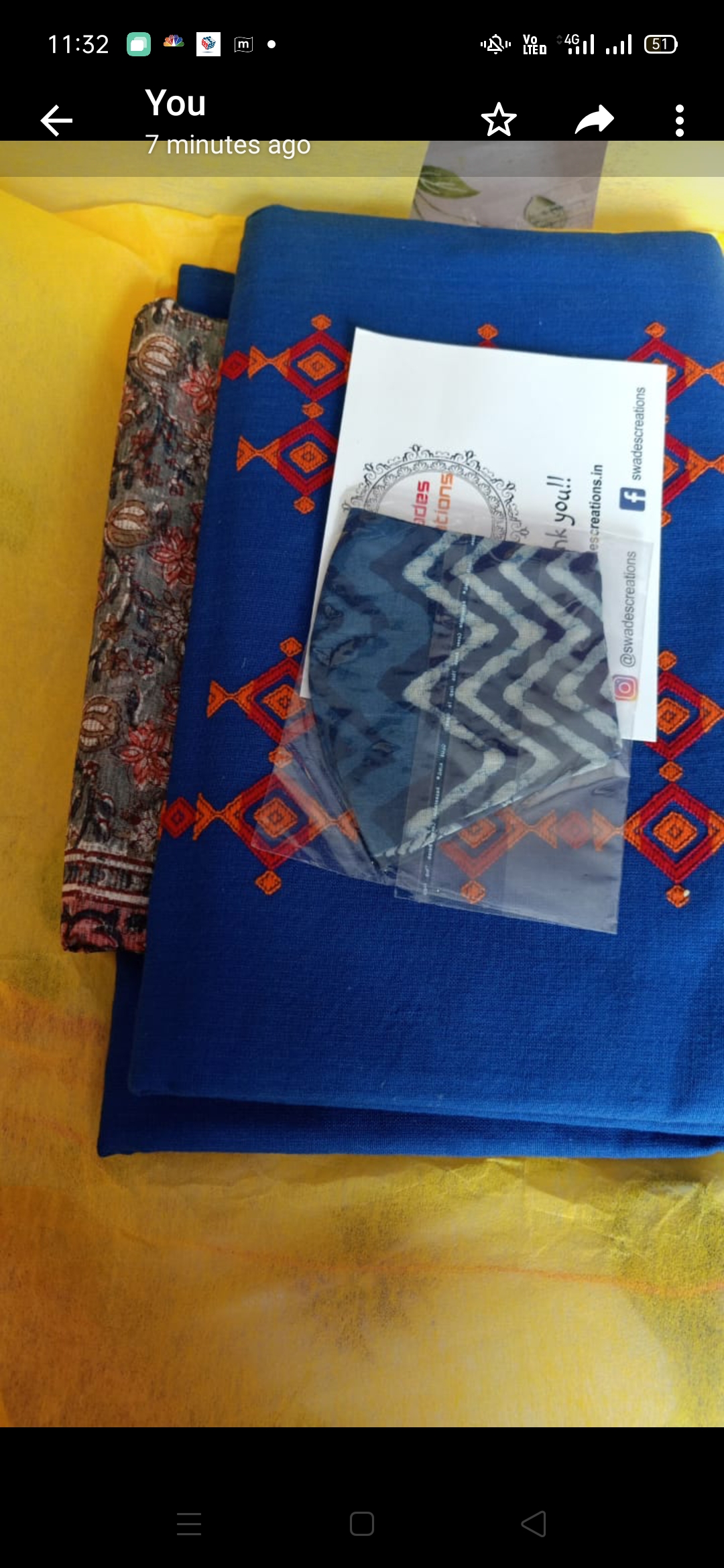
Just received this beautiful kurta dupatta set. It was exquisite, exactly of my taste. What amazed me was the wonderful and elegant packaging. Quite impressive...keep it up. Highly recommend. Thank you for the service
Ordered two sarees. Awesome collections.Quick delivery
I am a patron of Swadesh creations. Each piece is handpicked and delectable. A must try for the first time shoppers - sarees, suits , stoles .. You name it and you get the best here. Thank you Parul for such an amazing collection. Cheers to our friendship of 15 plus years.
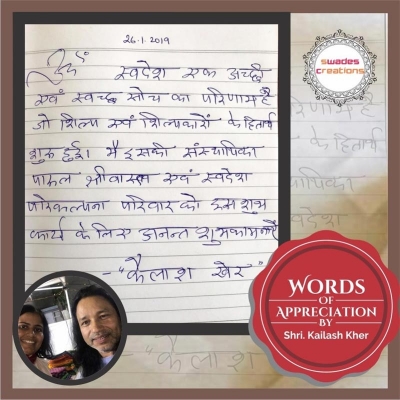
ॐ स्वदेश एक अच्छी एवं स्वच्छ सोच का परिणाम हैं | जो शिल्प एवं शिल्पकारों के हितार्थ शुरू हुई | मै इसकी संस्थापिका पारुल श्रीवास्तव एवं स्वदेश परिकल्पना परिवार को इस शुभ कार्य के लिए अनंत शुभ-कामनाऐ |
Excellent stuff…lovely collection…loved each style.