
How Brides in Different States Choose Sarees for Weddings
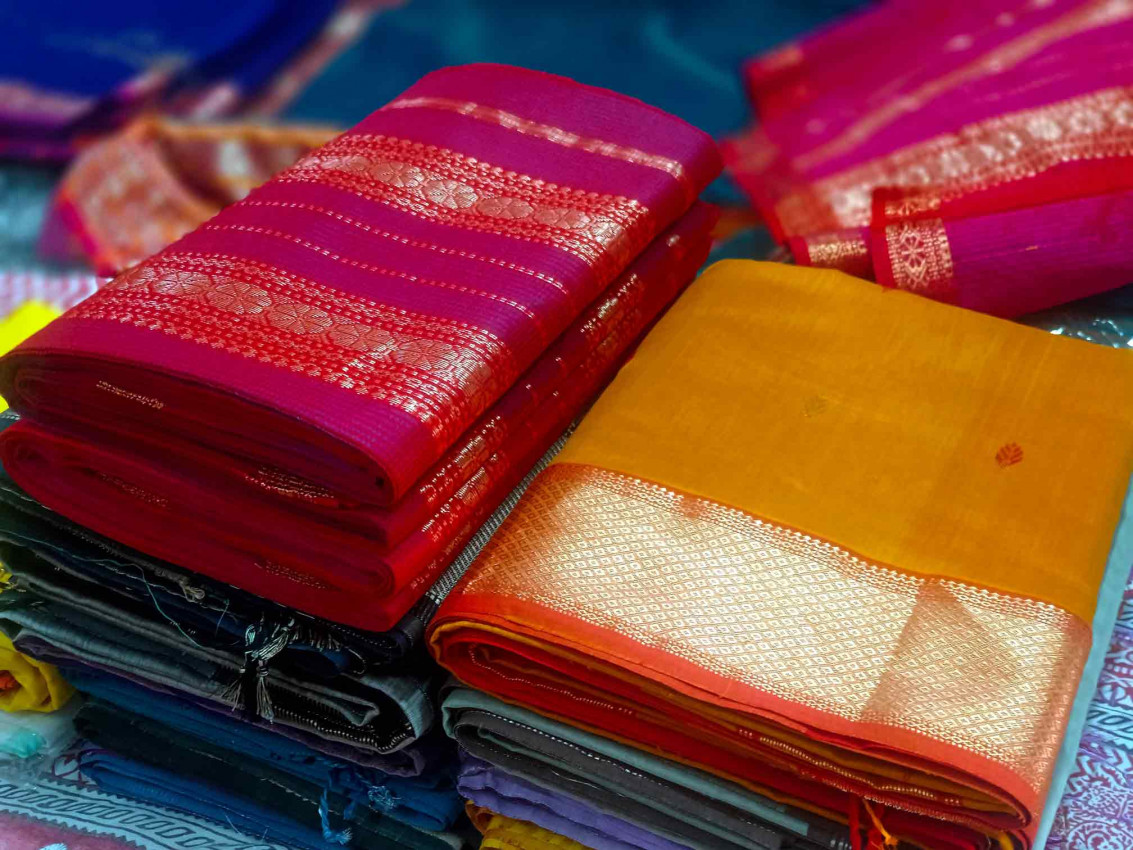
Indian weddings are a celebration of culture, ritual, and heritage, and bridal attire plays a central role in reflecting these values. Across the country, sarees worn by brides vary widely in fabric, colour, weaving technique, and drape. Indian bridal sarees by region are deeply connected to local traditions, family customs, and symbolic meanings, making each bridal look unique and rooted in cultural identity.
Traditional wedding sarees in India are not chosen solely for aesthetics. They represent blessings, prosperity, and continuity, often becoming treasured heirlooms passed down through generations. The choice of saree reflects not just regional culture, but also the values and stories a family wishes to carry forward.
Regional bridal saree traditions across India
In Maharashtra, the Maharashtrian bridal saree is often the nauvari or Paithani. These sarees are known for their vibrant colours, rich silk textures, and distinctive drape that allows ease of movement during wedding rituals. Paithani sarees, with their intricate motifs inspired by peacocks and flowers, are considered symbols of prosperity and grace. Brides often pair these sarees with traditional jewellery and heirloom accessories passed down through the family.
South Indian silk sarees are an essential part of weddings in states such as Tamil Nadu, Karnataka, Andhra Pradesh, and Telangana. Kanjeevaram sarees dominate bridal choices, featuring bold borders, temple-inspired motifs, and heavy zari work. These sarees are valued not only for their grandeur but also for their durability, making them ideal for ceremonial wear that lasts through long wedding rituals and celebrations.
In West Bengal, Bengali wedding sarees traditionally feature red and white colour palettes. These sarees are often woven in fine silk orcotton, reflecting purity, prosperity, and celebration. The simplicity of design, paired with cultural symbolism, makes them instantly recognizable and deeply meaningful. The saree is often paired with traditional jewellery and ritual accessories that complete the bridal look.
Bridal sarees in northern and eastern India also reflect regional influences. Brides may choose richly woven silks, handloom sarees, or embroidered textiles depending on local customs. Each style carries its own symbolism, often tied to fertility, abundance, and family heritage, reinforcing the cultural importance of the bridal ensemble.
Modern brides and regional inspirations
Today’s brides increasingly balance tradition with personal expression. While many continue to wear sarees rooted in their regional heritage, others explore designs from different parts of the country. The growing availability of wedding sarees online India has made it easier for brides to discover and choose sarees that resonate with their individual style, regardless of geography.
It is now common for brides to select multiple sarees for different ceremonies, each reflecting a distinct regional influence. A bride might wear a traditional Maharashtrian bridal saree for one ritual and opt for South Indian silk sarees or Bengali wedding sarees for another. This approach allows brides to tell a layered story through their wedding attire.
Celebrating bridal heritage with Swades Creations
At Swades Creations, we bring together a thoughtfully curated selection of bridal sarees inspired by India’s diverse traditions. Our collection reflects the richness of traditional wedding sarees in India while offering flexibility for modern bridal preferences. By presenting Indian bridal sarees by region, we help brides connect with heritage while choosing sarees that feel personal, meaningful, and suited to their celebrations.
Bridal sarees continue to hold significance long after the wedding day. They represent culture, memory, and identity woven into every thread, making them timeless symbols of tradition and belonging.
-
July 5th, 2026
-
July 4th, 2026
-
June 17th, 2026
-
June 11th, 2026
-
June 6th, 2026