
How to Care for Handloom Sarees So They Last for Years
How to Care for Handloom Sarees So They Last for Years
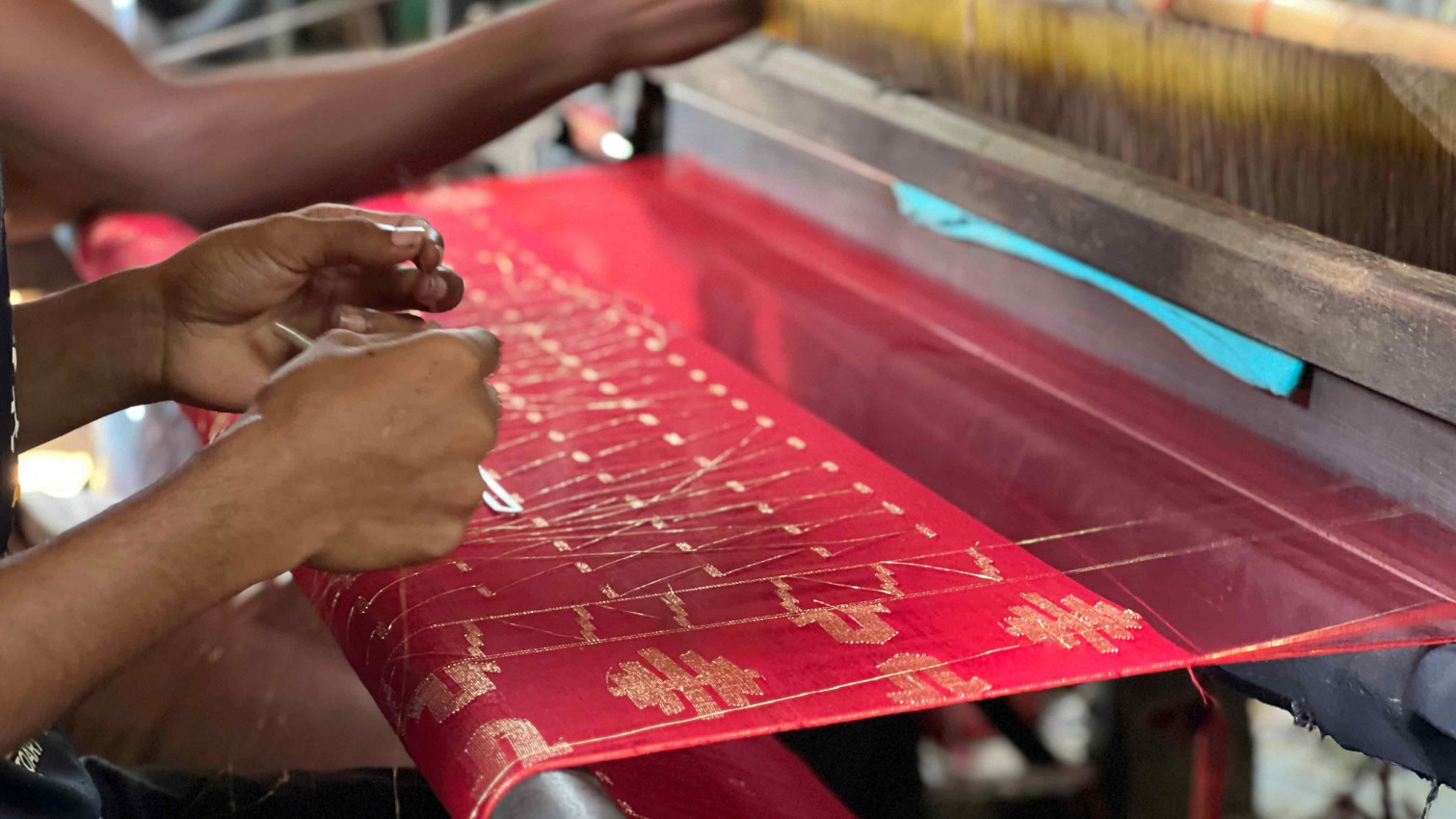
Handloom sarees are not just garments. They are works of art created through skill, patience, and generations of tradition. With the right care, these sarees retain their beauty, strength, and elegance for years, often becoming cherished heirlooms passed down through families. Understanding the basics of handloom saree care helps protect the fabric, colour, and weave, allowing the saree to age gracefully rather than wear out too soon.
Each handloom saree, especially those made from silk, needs mindful handling. Natural fibres respond differently to washing, storage, and environmental conditions, which makes gentle care an essential part of owning handwoven pieces.
Washing handloom and silk sarees with care
One of the most common questions around handloom ownership is about washing silk sarees at home. For new silk sarees, dry cleaning is usually recommended for the first few cleans, as it helps maintain the original sheen and colour depth. When home washing becomes necessary, it should always be done gently using cold water and a mild detergent meant for delicate fabrics.
Silk sarees should never be soaked for long periods, as this can weaken the fibres and cause colour bleeding. Gentle hand washing without twisting or wringing is the safest method. Cotton handloom sarees are easier to wash at home, but still require care to preserve the integrity of the weave.
Drying is just as important as washing. Sarees should always be dried in the shade, as direct sunlight can fade colours, especially in naturally dyed or richly coloured handloom pieces.
How to store silk sarees correctly
Knowing how to store silk sarees plays a major role in their longevity. Silk sarees should be stored in breathable cotton or muslin cloth and never in plastic. Plastic traps moisture, which can damage fibres and dull the fabric over time. Refolding sarees along different lines every few months helps avoid permanent creases.
Airing out silk sarees occasionally allows trapped moisture to escape and keeps mildew away. Natural repellents such as neem leaves or dried cloves work well instead of chemical mothballs, which can leave strong odours on delicate fabrics. One needs to make small pouches of neem leaves and dried cloves and not be kept directly on the fabric.
Handloom sarees also need space. Avoid tightly packing shelves, as overcrowding can distort borders, crush zari work, and strain the fabric.
Long-term care and fabric protection
Ironing handloom sarees should always be done on low heat. Placing a thin cotton cloth between the iron and the saree adds an extra layer of protection. Steam ironing works well for both cotton and silk, but should be used carefully to avoid excess moisture.
Stains are best treated immediately using gentle spot cleaning rather than harsh chemicals. Repeated full washes can weaken natural fibres over time, so minimal washing and careful maintenance go a long way.
At Swades Creations, we encourage mindful after-sales care and share guidance with our customers to help protect their handloom investments. Our sarees are crafted to last, and with the right care, they retain their texture, colour, and elegance for decades.
Handloom sarees reward patience and attention. When cared for thoughtfully, they continue to look beautiful while carrying memories, craftsmanship, and tradition across generations.
-
July 5th, 2026
-
July 4th, 2026
-
June 17th, 2026
-
June 11th, 2026
-
June 6th, 2026