
Silk Sarees


Silk Sarees at Swades Creations
Swades Creations offers Silkmark Certified Indian silk sarees handwoven by artisan clusters across India, spanning ten major types: Banarasi, Kosa, tussar, raw silk, Baluchari, Jamdani, Sambalpuri ikat, Kantha embroidered silk, Ajrakh block printed silk and Madhubani hand-painted silk.
Silkmark certification, backed by the Central Silk Board of India, is your assurance of 100 percent pure silk. These sarees cover every occasion from weddings and festivals to elegant office wear.
Silk sarees have been part of Indian heritage for centuries and are often passed down as heirlooms carrying stories of family and tradition. Each region of India brings its own weave, technique and design vocabulary to silk, and this collection curates that diversity in one place.
Types of Indian Silk Sarees We Offer
1. Banarasi Silk Sarees
Handwoven in Varanasi and synonymous with luxury, Banarasi sarees feature intricate gold and silver zari work and are a staple choice for weddings, festivities and cultural events. Our Banarasi range is available in Katan silk, tussar silk, pure georgette, pure organza and pure chiffon, all Silkmark certified.
2. Kosa Silk Sarees
Native to Chhattisgarh, Kosa silk sarees are prized for their natural texture, honey-gold undertone and earthy colours, carrying the essence of the region's forests and weaving traditions. They are among the luxurious and durable Indian silks.
3. Tussar Silk Sarees
Tussar, the wild silk of India, is woven into beautifully textured sarees with a signature matte finish. The range includes plain weaves along with hand-painted and wax batik work on tussar. They are a favourite for those who love wearing silk to the workplace.
4. Raw Silk Sarees
With understated elegance, a nubby natural texture and a soft sheen, raw silk sarees offer structured drape and classic beauty, making them ideal for weddings and festive occasions.
5. Baluchari Silk Sarees
From West Bengal, Baluchari sarees are storytelling masterpieces. Mythological scenes and architectural motifs inspired by the weave's home region are woven directly into the pallu and borders.
6. Jamdani Muslin Silk Sarees
Bengal's world-renowned fine weave features floral and geometric motifs woven by hand into delicate muslin silk using the discontinuous weft technique. Light and intricate, Jamdani is often described as being as light as woven air.
7. Sambalpuri Silk Sarees
Handwoven in Odisha and also known as Bandha sarees, these feature vibrant ikat patterns in which yarns are tie-dyed before weaving, so the design appears on both sides of the fabric.
8. Kantha Hand Embroidered Silk Sarees
Silk and tussar bases are covered in fine hand-stitched Kantha embroidery featuring folklore, daily life and nature motifs, with colour combinations that suit a range of occasions.
9. Ajrakh Handblock Printed Silk Sarees
Ajrakh's geometric block prints in deep indigo and madder red are stamped by hand on silk, blending centuries-old resist-dye traditions with contemporary aesthetics.
10. Madhubani Hand-Painted Silk Sarees
Hand-painted with scenes of folklore and mythology in the Madhubani tradition of Bihar, each saree is a one-of-a-kind wearable artwork.
How to Choose a Silk Saree by Occasion
- For weddings and bridal wear: Banarasi Katan silk, Baluchari or Sambalpuri ikat.
- For office and formal daywear: Tussar, Kosa or tone-on-tone Kantha silk for a matte, understated look.
- For festivals: Banarasi georgette or organza, raw silk or jewel-toned Kosa.
- For gifting and heirlooms: Madhubani hand-painted or Baluchari, since each carries a story.
- For summer functions: Jamdani muslin silk or lightweight tussar.
Why Choose Swades Creations Silk Sarees
- Every silk saree is Silkmark certified, guaranteeing 100 percent pure silk.
- Each saree is unique and exclusive, with no two pieces being exactly the same.
- Sourced directly from weaver and artisan communities across India's silk regions.
- Immediate same-day dispatch with shipping across India and internationally from Mumbai.
Frequently Asked Questions About Silk Sarees
What are the main types of Indian silk sarees?
The main types include Banarasi silk from Varanasi, Kosa and tussar silk from central and eastern India, Baluchari and Jamdani from Bengal, Sambalpuri ikat from Odisha, and raw silk sarees. Craft-based silk sarees such as Kantha embroidered, Ajrakh block printed and Madhubani hand-painted silks add further variety, with each type defined by its region and technique.
What is Silkmark certification?
Silkmark is a certification issued under the Silk Mark Organisation of India, backed by the Central Silk Board, Government of India. The label certifies that the product is made of 100 percent pure natural silk. Every silk saree at Swades Creations carries Silkmark certification as assurance of authenticity.
Which silk saree is best for a wedding?
Banarasi silk sarees are a classic Indian wedding choice for their rich zari work, with Katan silk Banarasi often preferred for bridal wear. Baluchari, Sambalpuri ikat, Kosa and raw silk sarees are also suitable for wedding functions, offering distinctive regional character and heirloom appeal.
Which silk sarees are good for office wear?
Tussar and Kosa silk sarees are well suited to office wear because of their matte finish, breathable weave and understated elegance. Kantha embroidered silks in tone-on-tone threads and lighter Jamdani weaves can also work well for formal workplace settings.
How can I identify a pure silk saree?
The most reliable check is the Silkmark label, which certifies 100 percent pure silk. A thread burn test is another traditional method used to identify silk, although it should only be performed by someone experienced with textile testing. Pure silk generally feels smooth yet warm to the touch, shows subtle colour variation in light, and handwoven silk can carry small irregularities in the weave that machine-made synthetic fabrics may not have.
What is a Bandha saree?
Bandha is the Odia name for the tie-dye ikat technique used in Sambalpuri sarees. Yarns are resist-dyed in the intended pattern before weaving, so the design appears on both sides of the fabric. Sambalpuri silk sarees are therefore also known as Bandha sarees.
Are silk sarees a good investment?
Handwoven pure silk sarees such as Banarasi, Kosa and Baluchari are frequently passed down as heirlooms because the fabric can last for decades with proper care. Their handloom craftsmanship, certified purity and cultural significance can give them both monetary and sentimental value over time.
How do I store and care for silk sarees?
Dry clean silk sarees when required, store them wrapped in breathable muslin rather than plastic, and keep them away from moisture and direct sunlight. Air the saree briefly after each wear before putting it away. Refold it periodically to help prevent permanent creases.
Testimonials
Excellent Collection. Promoting Indian hand woven art to urban people. Wide variety from across India.
We visited swades at Bhatia Wadi exhibition, loved the collection of dress material and sarees, fantastic colour and weaving, very Classy. We bought a dress material. Will come back for more
Swades creations have a lot of beautiful collection of sarees and I am very pleased with the quality of the sarees. All the sarees are beautiful and elegant. Parul is a wonderful person. I bought multiple sarees from her, I loved all of them. She personally tracks the parcel after being dispatched, and makes sure I receive the parcel. I would highly recommend Swades Creations.
Excellent customer service and a wide variety of handloom sarees!!
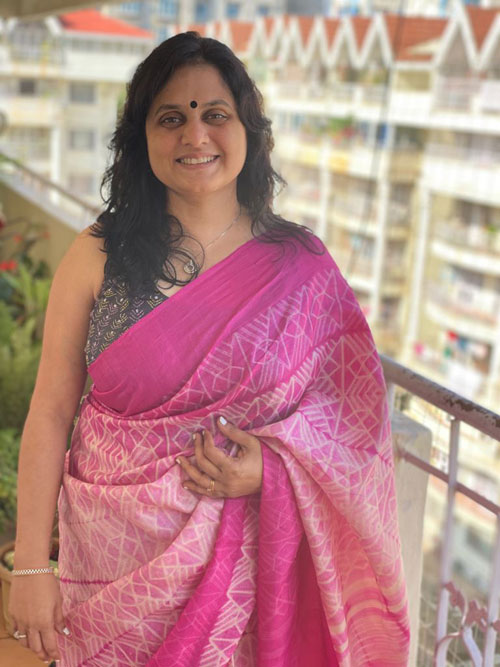
Seeing my Mom & MIL wear Tussars, I always felt Tussar was for 60 plus and that I had a long way to go, but this particular saree made me change my mind. When Parul shared the picture with me casually, I liked the colour and the print as it was very unusual but never thought I would get it for myself. I then went on and bought it for my MIL. However when I received it, tables reversed, my MIL gifted it to me for my birthday and I was thankful she did! As I wore it on my special day “Wolah!!! I fell in love with it even more and with myself:) all over again!!!”. The icing on the cake was the blouse that Parul handpicked and in my opinion it truly added to the oomph!!!! Thank you Parul for this amazing ensemble. May Swades Creations have more such creations that we can mindlessly invest in and treasure for life :)
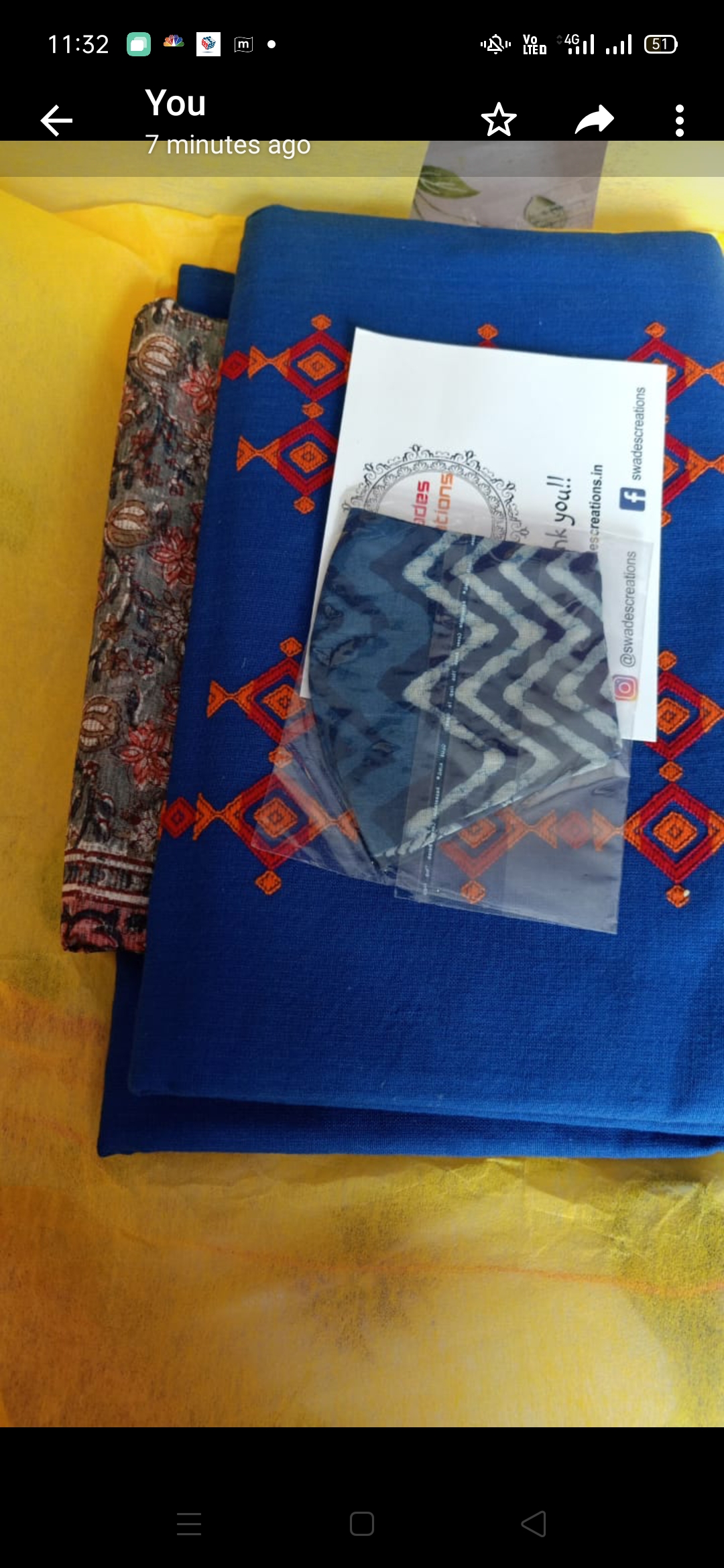
Just received this beautiful kurta dupatta set. It was exquisite, exactly of my taste. What amazed me was the wonderful and elegant packaging. Quite impressive...keep it up. Highly recommend. Thank you for the service
Ordered two sarees. Awesome collections.Quick delivery
I am a patron of Swadesh creations. Each piece is handpicked and delectable. A must try for the first time shoppers - sarees, suits , stoles .. You name it and you get the best here. Thank you Parul for such an amazing collection. Cheers to our friendship of 15 plus years.
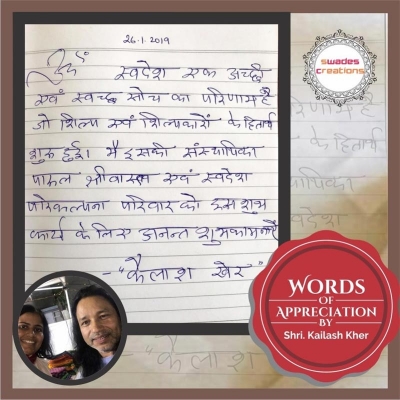
ॐ स्वदेश एक अच्छी एवं स्वच्छ सोच का परिणाम हैं | जो शिल्प एवं शिल्पकारों के हितार्थ शुरू हुई | मै इसकी संस्थापिका पारुल श्रीवास्तव एवं स्वदेश परिकल्पना परिवार को इस शुभ कार्य के लिए अनंत शुभ-कामनाऐ |
Excellent stuff…lovely collection…loved each style.